



A special thank you to our Lead Sponsor



We are able to make an impact thanks to the generous support of these additional sponsors







Sign up for our FREE wegginars. Let’s grow global!
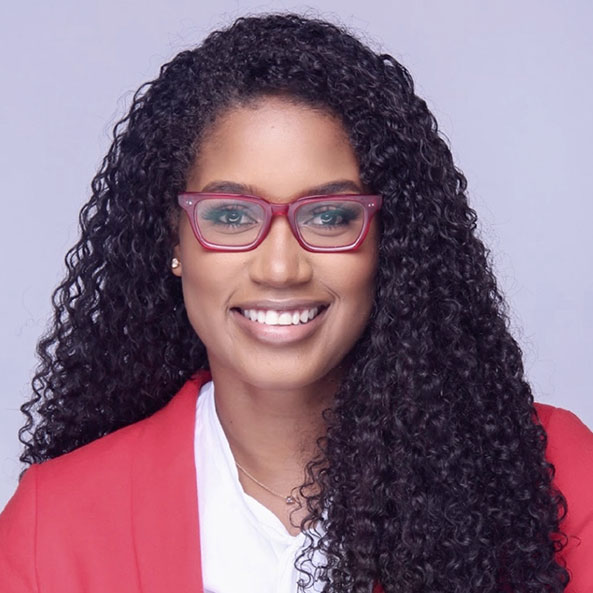
Harmonizing Dual Careers: Thriving in Corporate While Leading a Startup
with Dr. Natalie King
May 1, 2024
with Dr. Natalie King
May 1, 2024
By registering, I consent to Women Entrepreneurs Grow Global’s collection of my information. Master Time Management: Prioritize tasks, use technology to streamline your schedule, and develop a routine that maximizes productivity without sacrificing well-being. Set Boundaries for (Global) Success: Discover techniques to compartmentalize responsibilities, manage …
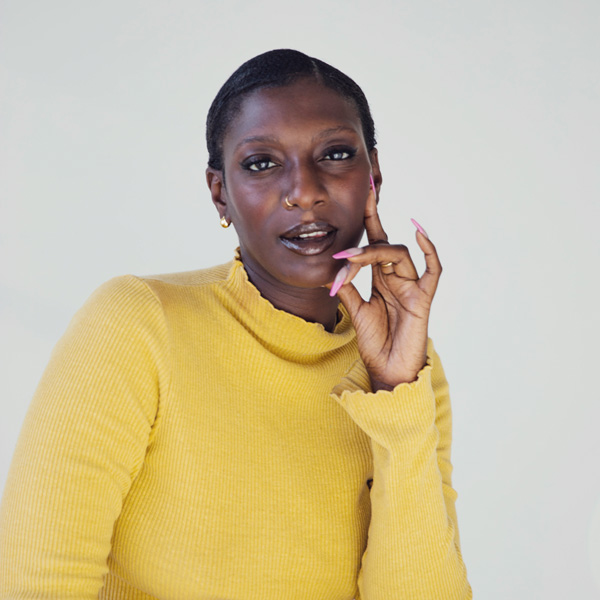
Running a Sustainable Global Beauty Brand: 7 Lessons in 7 Years
with Abena Boamah-Acheampong
April 3, 2024
with Abena Boamah-Acheampong
April 3, 2024
By registering, I consent to Women Entrepreneurs Grow Global’s collection of my information. How to prioritize your growth and your self-care How no is better than nothing and the why behind it How sustainable can be expensive but overcome How to build a beauty brand …
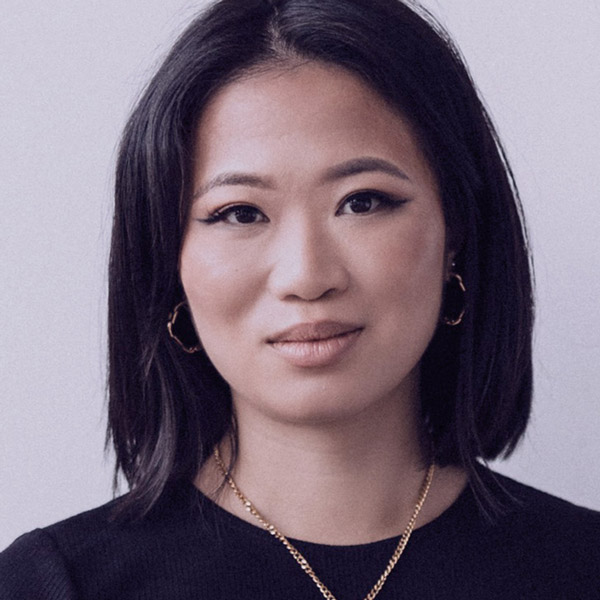
From Niche to Norm: The Global Power of Designing for Extremes
with Keona Moy
March 6, 2024
with Keona Moy
March 6, 2024
By registering, I consent to Women Entrepreneurs Grow Global’s collection of my information. What it means to design for extremes How to broaden impact through specific solutions How to design for extreme cases What the benefits are when designing for extreme cases How to adopt …

From Japan to Global: Exporting the New SAKE Experience
with Kaori Shimazaki
February 7, 2024
with Kaori Shimazaki
February 7, 2024
By registering, I consent to Women Entrepreneurs Grow Global’s collection of my information. Product development strategy for a new target audience How to overcome challenges in channel creation The value of education and experience This wegginar® is sponsored by Note: Thanks to our sponsors, event …
March 6, 2024
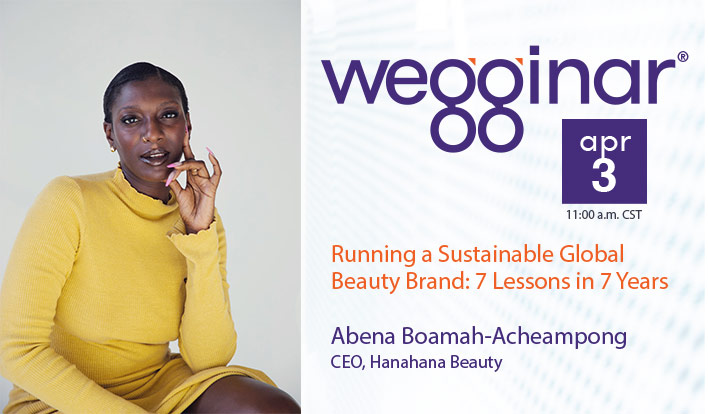
Running a Sustainable Global Beauty Brand: 7 Lessons in 7 Years
with Abena Boamah-Acheampong
April 3, 2024
with Abena Boamah-Acheampong
April 3, 2024
By registering, I consent to Women Entrepreneurs Grow Global’s collection of my information. How to prioritize your growth and your self-care How no is better than nothing and the why behind it How sustainable can be expensive but overcome How to build a beauty brand …

April 15, 2024
Helping 4.2 Billion People Flush Sanitarily with Portable Waterless Toilets wegg® podcast
with Diana Yousef
on April 15, 2024
with Diana Yousef
on April 15, 2024
…

News to inspire all to grow global!
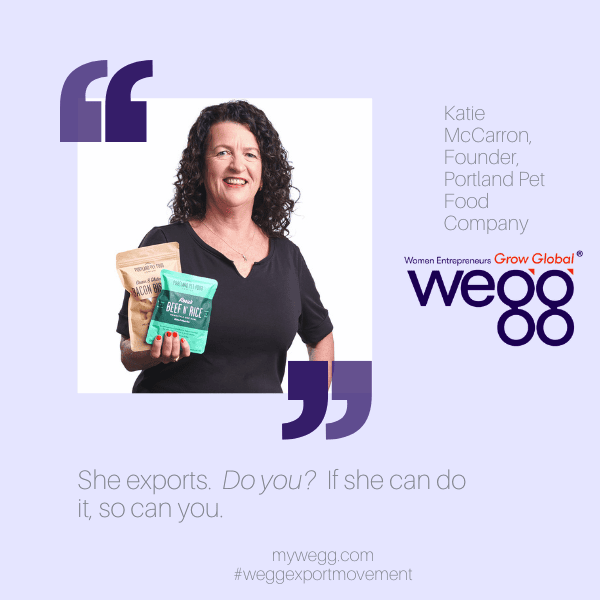
Katie exports. Do you?
Katie exports. Do you? If she can do it. So can you. Only 1 out of 10 women business owners exports. This one does.
Learn more about Katie McCarron, founder of Portland Pet Food Company (PPFC), who already achieves what you want to achieve: More business outside the USA.
…

New Documentary, “Show Her the Money,” Spotlights the Lack of Funding Women Entrepreneurs Receive
Directed by Ky Dickens and produced by Catherine Gray, the new featured documentary film, Show Her the Money, swept up awards and accolades during its festival run. The film will now embark on a tour of 50 cities across the country and globe,
…
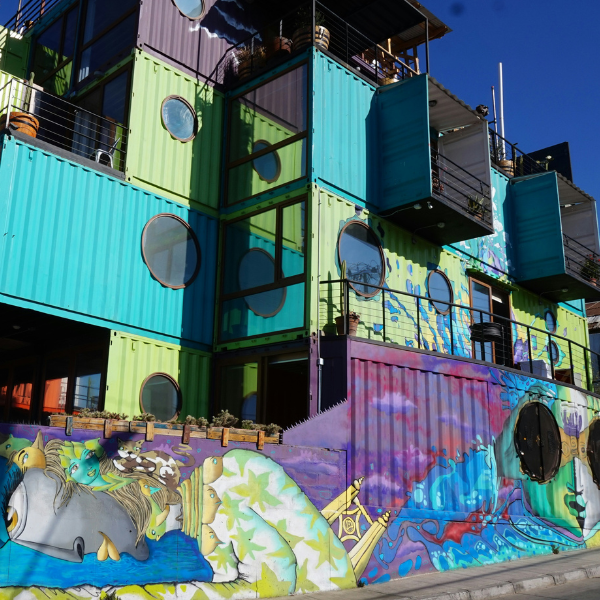
A Second Life for Shipping Containers Across the Globe
As economist Marc Levinson writes in his superb book (2006), The Box: How the Shipping Container Made the World Smaller and the World Economy Bigger:
In April 1956, a refitted oil tanker carried fifty-eight shipping containers from Newark to Houston.
…
JOIN our wegg® Virtual Cafe Gathering Today, 4/2 at 4PM CT
wegg® Virtual Cafe
1st Tuesday of every month from 4:00-5:00PM CT
Join: https://us04web.zoom.us/j/746553873
Meeting ID: 746-553-873
Purpose: For anyone who wants to share stories and ideas with one another about dealing with business issues.
Come as you are.
…
Read what others say about us.

Andrea Sreshta
co-founder, LuminAID
“wegg’s network and expertise provides support in a critical areas for women entrepreneurs who want to go global.”

Rebecca Herwick
President and Founder, Global Products Inc.
“wegg® is an indispensable resource – a one-stop-shop for learning how to trade beyond borders – and a powerhouse for boosting a company’s global expansion performance.”

Julia Knight
founder and President, Julia Knight Collections
“Are you trying to build a great enduring global enterprise? wegg® is your go-to resource!”

Angie White and Betsy Mikesell
CFO, and CEO, Beddy’s
“wegg® helps women business owners grow their businesses beyond what they thought possible through a variety of global channels. We are honored to be a part of a community that inspires, educates and works together to make the world their business.”

Alison Larson
Founder of World Blazer Consulting
“wegg® carefully devises a path to get you global. A lot of organizations might drop off the face of the earth afterwards, but wegg takes on more of a coaching role, helping business owners stay on track when they get stuck or distracted. I found them to be my guardian angel while shifting my business to other parts of the world.”

Dr. Sonat Birnecker Hart
President and Co-founder of KOVAL Distillery
“By working with wegg®and their vast pool of resources and connections, we are perfectly poised to take things to the next level.”