
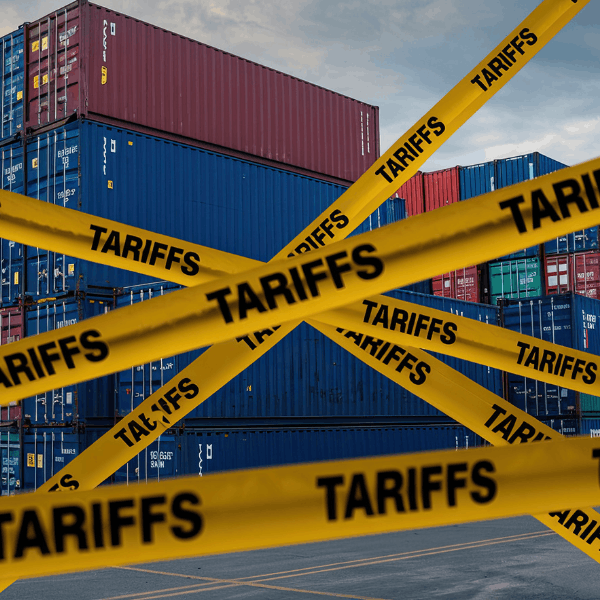
Splintering Over the Legality of President Trump’s Tariffs
President Trump suffered a sharp setback before the Supreme Court on February 20, 2026, after the court’s six conservative justices splintered in a 6-3 tariff ruling over the legality of his tariffs.
That divide underscored differing visions of presidential power and the role of Congress, and has implications for how the court may deal with future cases involving Mr. Trump’s agenda.
The Supreme Court’s ruling may force the Trump administration to refund more than $100 billion in tariff revenue to thousands of American importers — a recoupment process that is unparalleled in scale and complexity. How the U.S. government will proceed with refunds remains a question.
Trade groups including the National Retail Federation expressed relief. But the ruling also scrambled calculations for businesses and shattered a fragile sense of stability that had come with adapting to the status quo.
The divide among Supreme Court’s conservatives could test Trump’s agenda going forward.
And the latest report on Saturday, February 21, 2026, is President Trump said he would increase global tariffs to 15% from 10%, one day after the Supreme Court struck down his “reciprocal” tariffs. The president was scathing in his remarks against the Supreme Court decision, calling the ruling “ridiculous, poorly written, and extraordinarily anti-American” in a social media post. He also attacked Justices Neil Gorsuch and Amy Coney Barrett after they voted with the majority in the ruling.
The uncertainty continues. Stay nimble, protect cash and redesign your global supply chain so you’re less exposed.